
Recessed Lighting vs Traditional Fixtures: Which Is Better?
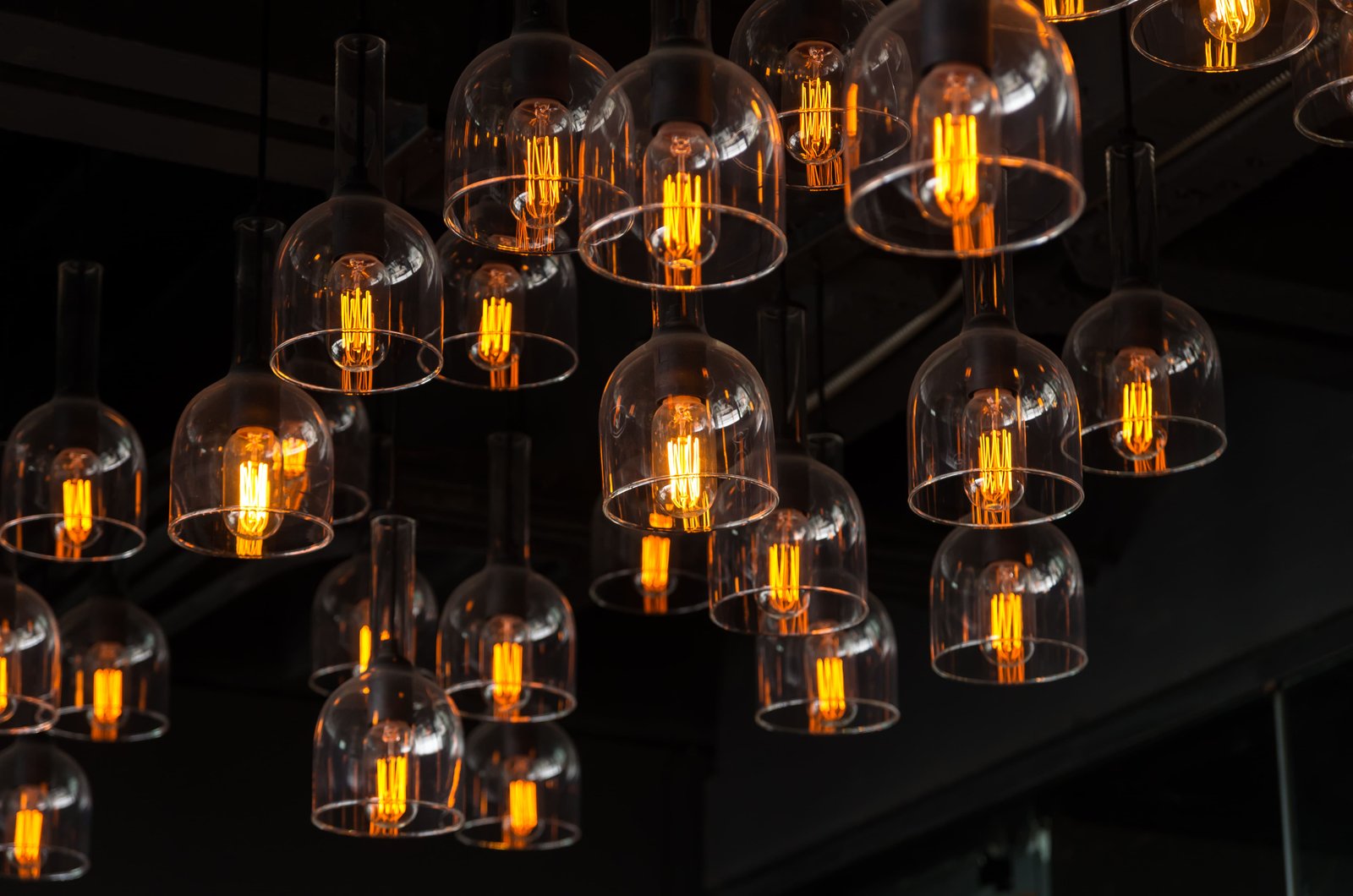
Lighting decisions come up in almost every remodel or new build, and one of the most common questions homeowners face is whether to go with recessed lighting or stick with traditional fixtures. Both can light a room well, but they do it in very different ways.
The right choice depends on more than just personal taste—it depends on ceiling height, room function, wiring, and long-term flexibility.
At Electrical Geeks in North Hollywood, CA, we install both types constantly, and the honest answer is that neither one is universally “better.” Here's a full comparison to help you figure out which one actually fits your space.
What Sets Recessed Lighting and Traditional Fixtures Apart
Recessed lighting, often called “can lights” or “pot lights,” is installed directly into the ceiling, sitting flush so that only the light source and trim are visible. Traditional fixtures—pendants, chandeliers, flush mounts, and similar styles—hang or mount visibly on the ceiling or wall, becoming a design element in their own right, not just a light source.
That core difference—hidden versus visible—is what drives nearly every other trade-off between the two options.
Aesthetic Differences: Minimal vs. Statement-Making
Recessed Lighting
- Creates a clean, minimal ceiling with no visible fixtures
- Works especially well in modern, contemporary, or minimalist interiors
- Doesn't compete visually with other design elements in the room
- Can feel somewhat plain or generic if used as the only lighting source in a space
Traditional Fixtures
- Serve as visible design statements, often becoming a focal point of the room
- Offer far more variety in style, from ornate chandeliers to sleek modern pendants
- Add personality and character that recessed lighting alone can't provide
- Require more careful coordination with the room's overall design style
Why it matters: Many homeowners don't actually choose one over the other—they combine both, using recessed lighting for general ambient light and a traditional fixture as a statement piece over a dining table, kitchen island, or entryway.
Functional Lighting Differences
Recessed Lighting
- Provides even, broad ambient lighting across a room
- Works well for general illumination in kitchens, living rooms, hallways, and bathrooms
- Can be directed (with adjustable or “eyeball” trims) to highlight specific areas like artwork
- Typically requires multiple fixtures spaced throughout a room for even coverage
Traditional Fixtures
- Provide more concentrated, directional light from a single point
- Well-suited for task lighting over specific areas, like a kitchen island or reading nook
- A single traditional fixture often can't provide the same even, whole-room coverage as multiple recessed lights
- Dimmable options are widely available for both, but traditional fixtures often allow more dramatic mood lighting due to exposed bulb design
Why it matters: The best lighting plan usually isn't recessed versus traditional—it's recessed for ambient coverage, paired with traditional fixtures for task lighting and visual interest in key areas.
Installation and Wiring Considerations
Recessed Lighting Installation
- Requires cutting into the ceiling for each individual fixture
- Needs adequate ceiling depth to accommodate the housing, especially for insulated or fire-rated cans
- Multiple fixtures mean multiple wiring runs, which can add labor time compared to a single traditional fixture
- Retrofitting recessed lighting into an existing ceiling with insulation or limited clearance can be more complex than new construction installation
Traditional Fixture Installation
- Generally requires a single electrical box and wiring point per fixture
- Simpler retrofit process in most cases, since it doesn't require cutting multiple holes into the ceiling
- Heavier fixtures, like large chandeliers, may require additional structural support (a properly rated electrical box) to hang safely
Why it matters: For homeowners considering a full lighting overhaul, recessed lighting is often a bigger project since it typically means multiple fixtures and more extensive ceiling work. Adding a single traditional fixture is usually a smaller, faster project by comparison.
Cost Comparison
Because recessed lighting typically requires several fixtures to properly light a room, the total project cost can add up even though each individual can light is often inexpensive. A single, well-chosen traditional fixture can sometimes deliver strong visual impact at a lower total installation cost, though it won't replace the even ambient coverage recessed lighting provides.
Recessed Lighting Costs Include:
Cost per fixture, labor cost multiplied across multiple fixtures needed for full coverage, and additional cost if ceiling modifications or insulation work is required.
Traditional Fixture Costs Include:
The fixture itself, a single installation labor cost, and potential additional cost for fixtures requiring extra structural support.
Ceiling Height and Room Considerations
Ceiling height alone can rule out certain traditional fixture options, since a low ceiling with a hanging chandelier can feel cramped or even become a safety hazard in high-traffic areas.
- When recessed lighting works best: Rooms with standard or lower ceiling heights, where hanging fixtures might feel cramped; spaces where a clean, uncluttered ceiling look is a priority; and hallways, bathrooms, or closets where a hanging fixture isn't practical.
- When traditional fixtures work best: Rooms with higher ceilings that can accommodate a hanging fixture without feeling low or crowded; spaces meant to make a design statement, like a dining room, entryway, or primary bedroom; and areas where a fixture's visual presence adds to the room's character.
Which Option Makes Sense for Your Project
Choose Recessed Lighting When:
- You want a clean, modern ceiling with no visible fixtures
- You need even, functional lighting across a larger room
- Ceiling height is limited
- You're doing a full renovation and can accommodate multi-fixture installation
Choose Traditional Fixtures When:
- You want a visual design statement in a specific area
- The room has adequate ceiling height to accommodate a hanging fixture
- You're adding a focal point over a table, island, or entryway
- You're looking for a simpler, single-point installation
Most homeowners benefit from combining both: Recessed lighting for even ambient coverage throughout the room, paired with a traditional fixture as a focal point over a key area, tends to deliver the best of both function and style.
Frequently Asked Questions
How Electrical Geeks Approaches Lighting Design
At Electrical Geeks, based in North Hollywood, CA, we help homeowners throughout the greater Los Angeles area design lighting plans that balance function and style, rather than defaulting to one fixture type across the entire home. Every room has different ceiling heights, use cases, and design goals, and the right lighting plan usually reflects that variety rather than a single blanket approach.
Electrical Geeks proudly serves homeowners throughout North Hollywood, CA and the greater Los Angeles area. Contact us today to design a lighting plan that fits your space and style.